
An Iceland Ring Road Trip is one of the world’s most unforgettable road adventures. Stretching approximately 1,332 km (828 miles) around the island, Iceland’s famous Ring Road (Route 1) takes travelers through dramatic landscapes filled with waterfalls, glaciers, volcanoes, black sand beaches, geothermal hot springs, lava fields, and charming coastal villages.
A 7-day Iceland Ring Road Trip is ideal for travelers who want to experience the country’s most iconic attractions while enjoying the freedom of a self-drive adventure. Every day offers a new landscape—from the powerful waterfalls of the South Coast and the floating icebergs of Jökulsárlón Glacier Lagoon to the volcanic beauty of Lake Mývatn and the picturesque fjords of North Iceland.
Whether you’re traveling as a couple, with friends, or on a solo adventure, this itinerary is designed to help you make the most of your journey. In this guide, you’ll discover a day-by-day route, must-visit attractions, estimated driving distances, accommodation suggestions, budgeting tips, and practical advice to plan the perfect Iceland Ring Road Trip with confidence.
Before planning your Iceland Ring Road Trip, check the latest travel inspiration, attractions, and seasonal information on Visit Iceland.https://www.visiticeland.com/
Why Drive Iceland’s Ring Road?
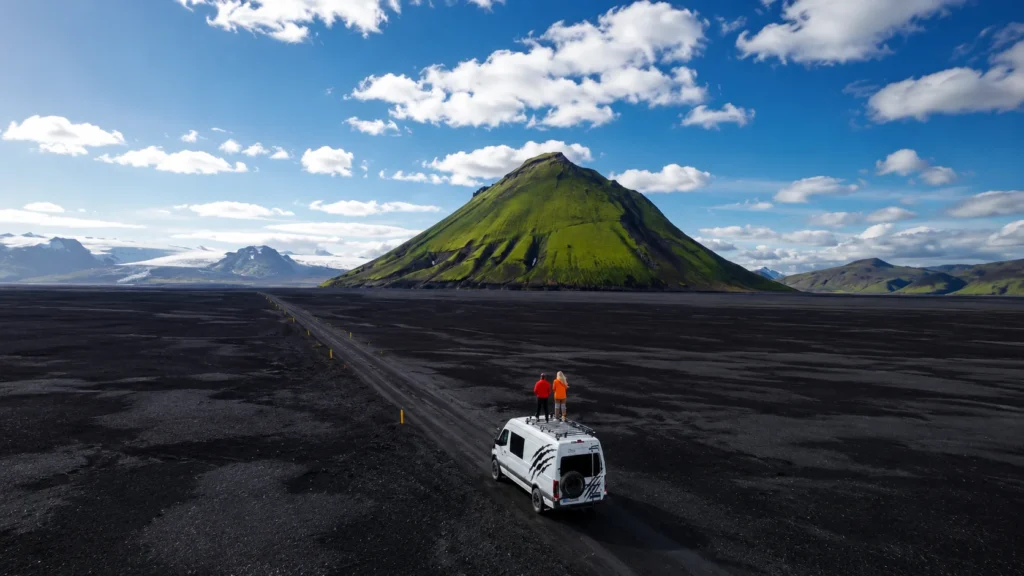
An Iceland Ring Road Trip is the best way to experience the country’s incredible natural beauty at your own pace. Unlike guided tours that follow fixed schedules, a self-drive journey gives you the freedom to stop whenever a breathtaking waterfall, glacier, volcanic landscape, or scenic viewpoint catches your attention. Every stretch of the Ring Road offers a new adventure, making the journey just as memorable as the destinations themselves.
One of the biggest advantages of an Iceland Ring Road Trip is that it connects nearly all of Iceland’s most famous attractions through a single highway. In just seven days, you can explore the stunning South Coast, admire floating icebergs at Jökulsárlón Glacier Lagoon, walk along the dramatic black sand beach at Reynisfjara, discover the geothermal wonders of Lake Mývatn, and experience the charming fishing towns of North and East Iceland.
Driving also allows you to travel according to your interests. You can spend more time hiking to hidden waterfalls, photographing puffins on coastal cliffs, soaking in natural hot springs, or simply enjoying Iceland’s ever-changing landscapes. The flexibility of a road trip makes it an ideal choice for couples, families, solo travellers, and photographers looking to capture Iceland’s unique beauty.
With well-maintained roads, excellent road signs, and plenty of scenic stops along the way, an Iceland Ring Road Trip offers an unforgettable combination of adventure, freedom, and breathtaking scenery that few destinations in the world can match.
Best Time for an Iceland Ring Road Trip
The best time for an Iceland Ring Road Trip depends on the type of adventure you’re looking for. Every season offers a unique experience, from endless daylight in summer to magical Northern Lights displays in winter. Choosing the right time will help you make the most of your self-drive itinerary and enjoy Iceland’s breathtaking landscapes safely.
Always check current road conditions, weather warnings, and road closures through the Iceland Road and Coastal Administration before starting your drive.https://umferdin.is/en
Summer (June to August) – Best for First-Time Visitors
Summer is the most popular season for an Iceland Ring Road Trip. During these months, you’ll enjoy mild temperatures, long daylight hours, and excellent road conditions. The famous Midnight Sun allows you to explore attractions late into the evening, giving you more flexibility without feeling rushed.
Highlights:
- Nearly 24 hours of daylight
- Easy driving conditions
- All major attractions accessible
- Best season for hiking and camping
Autumn (September to October) – Fewer Crowds & Northern Lights
Autumn offers a perfect balance between pleasant weather and fewer tourists. The landscapes transform into vibrant shades of red, orange, and gold, making it one of the most scenic times for an Iceland Ring Road Trip. It’s also the beginning of the Northern Lights season.
Highlights:
- Beautiful autumn colours
- Lower accommodation prices
- Better chances of seeing the Northern Lights
- Less crowded attractions
Winter (November to March) – Snow & Northern Lights
Winter transforms Iceland into a magical wonderland. Snow-covered mountains, frozen waterfalls, and long nights create the perfect setting for viewing the Aurora Borealis. However, driving conditions can be challenging due to snow, ice, and unpredictable weather, so extra preparation is essential.
Highlights:
- Northern Lights
- Ice caves
- Snow-covered landscapes
- Fewer tourists
Spring (April to May) – Budget-Friendly Travel
Spring is an excellent choice for travellers seeking fewer crowds and more affordable prices. Days become longer, roads gradually improve, and waterfalls are especially powerful due to melting snow. Wildlife enthusiasts may also begin spotting puffins returning to Iceland’s coastal cliffs.
Highlights:
- Lower travel costs
- Longer daylight hours
- Fewer tourists
- Beautiful waterfalls and fresh green landscapes
Which Season Should You Choose?
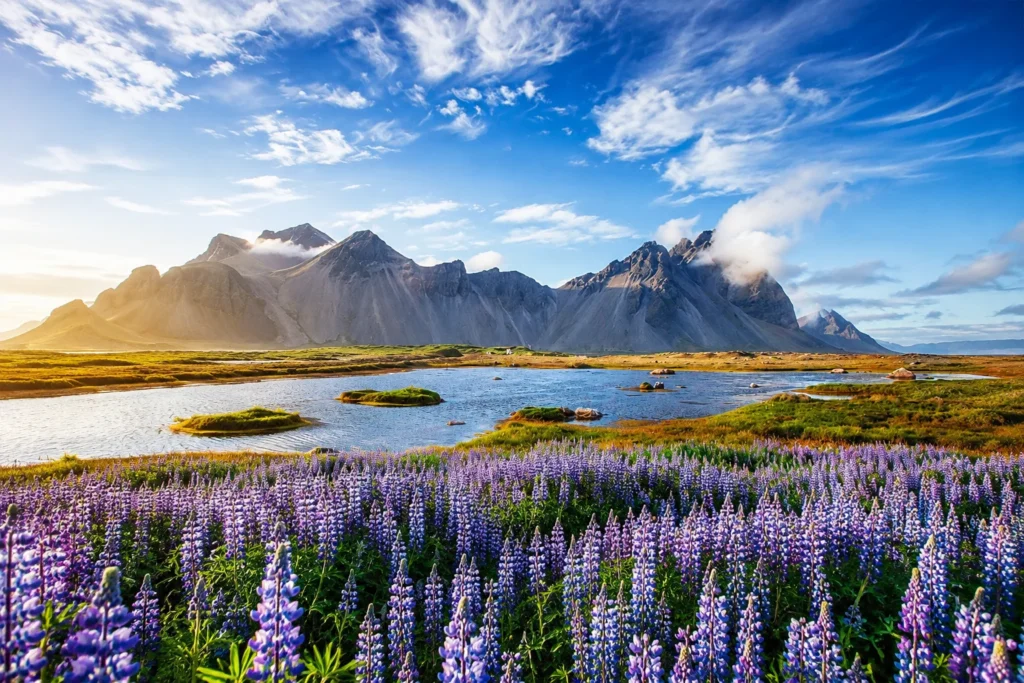
For most travellers, June to August is the best time for an Iceland Ring Road Trip, thanks to comfortable weather, extended daylight, and easy driving conditions. If seeing the Northern Lights is a priority, consider visiting in September or October, when road conditions remain relatively good while the nights become dark enough for aurora viewing. Budget-conscious travellers can save money by planning their trip during spring or autumn, when accommodation prices are generally lower and popular attractions are less crowded.
7-Day Iceland Ring Road Trip Itinerary
A 7-day Iceland Ring Road Trip covers approximately 1,332 km (828 miles) around Iceland, taking you through glaciers, waterfalls, volcanic landscapes, geothermal areas, black sand beaches, and charming fishing villages. Here’s a day-by-day itinerary to help you experience the very best of Iceland.
Day 1: Reykjavík → Golden Circle → Vík
Driving Distance: Approximately 300 km (5–6 hours including sightseeing)
Begin your Iceland Ring Road Trip by leaving Reykjavík and exploring Iceland’s famous Golden Circle. Start at Þingvellir National Park, a UNESCO World Heritage Site where the North American and Eurasian tectonic plates meet. Continue to the Geysir Geothermal Area, home to the erupting Strokkur geyser, before visiting the magnificent Gullfoss Waterfall.
As you drive along the South Coast, stop at Seljalandsfoss and Skógafoss, two of Iceland’s most iconic waterfalls. End the day in the picturesque village of Vík, famous for its dramatic cliffs and black sand beaches.
Don’t Miss:
- Þingvellir National Park
- Geysir Geothermal Area
- Gullfoss Waterfall
- Seljalandsfoss
- Skógafoss
- Vík Village
Day 2: Vík → Jökulsárlón Glacier Lagoon → Höfn
Driving Distance: Approximately 280 km (4–5 hours)
Day two showcases some of the most spectacular landscapes of your Iceland Ring Road Trip. Begin with a visit to Reynisfjara Black Sand Beach, known for its basalt columns and powerful Atlantic waves.
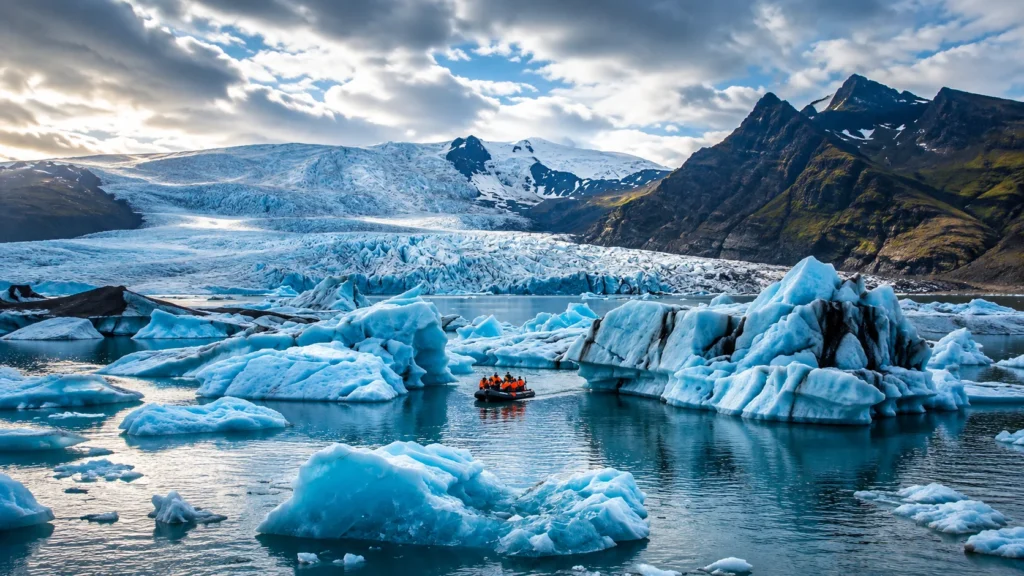
Continue east through Vatnajökull National Park, stopping at Skaftafell Nature Reserve if time allows. The highlight of the day is the breathtaking Jökulsárlón Glacier Lagoon, where floating icebergs drift peacefully across crystal-clear water. Just across the road, explore the famous Diamond Beach, where ice chunks sparkle against the black volcanic sand.
Spend the night in the coastal town of Höfn, renowned for its fresh seafood and stunning glacier views.
Don’t Miss:
- Reynisfjara Black Sand Beach
- Skaftafell Nature Reserve
- Jökulsárlón Glacier Lagoon
- Diamond Beach
- Höfn
Day 3: Höfn → Eastfjords → Egilsstaðir
Driving Distance: Approximately 260 km (4–5 hours)
Today’s journey takes you through the scenic Eastfjords, one of the quieter and less-visited regions of Iceland. The winding coastal roads pass charming fishing villages, dramatic mountains, and peaceful fjords that offer incredible photo opportunities.
Keep an eye out for wild reindeer, which are commonly seen in this part of Iceland. Arrive in Egilsstaðir, the largest town in East Iceland and an excellent base for exploring the region.
Don’t Miss:
- Eastfjords Scenic Drive
- Djúpivogur Village
- Coastal viewpoints
- Egilsstaðir
Day 4: Egilsstaðir → Lake Mývatn → Húsavík
Driving Distance: Approximately 270 km (4–5 hours)
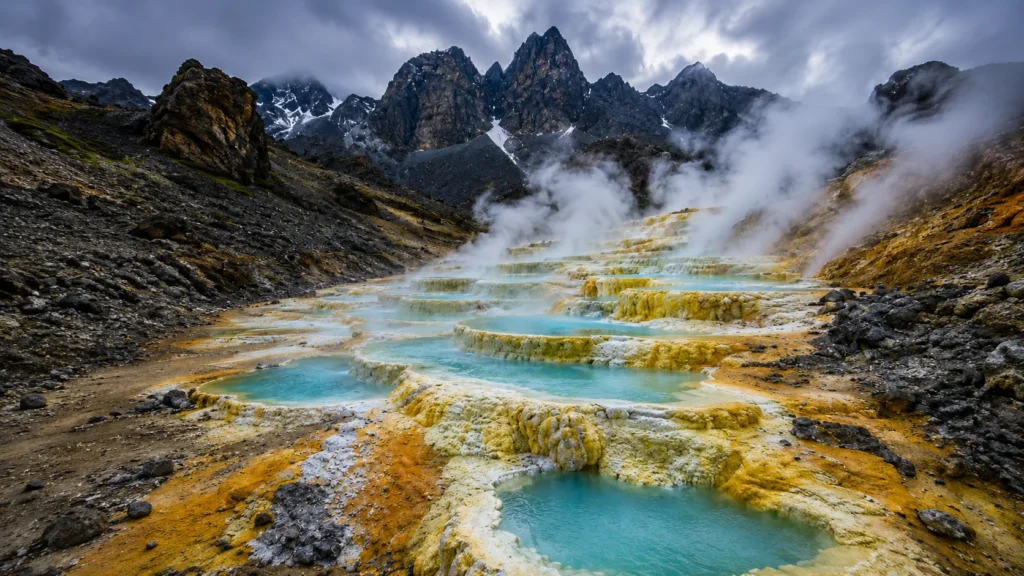
Day four introduces you to Iceland’s fascinating volcanic landscapes. Visit Dettifoss, Europe’s most powerful waterfall, before continuing to the geothermal wonders surrounding Lake Mývatn.
Explore bubbling mud pools, lava fields, volcanic craters, and steaming vents at Námaskarð and Dimmuborgir Lava Fields. If time permits, relax at the Mývatn Nature Baths, often called the quieter alternative to the Blue Lagoon.
Finish your day in Húsavík, Iceland’s whale-watching capital.
Don’t Miss:
- Dettifoss Waterfall
- Lake Mývatn
- Námaskarð
- Dimmuborgir
- Mývatn Nature Baths
- Húsavík
Day 5: Húsavík → Akureyri
Driving Distance: Approximately 140 km (2–3 hours)
Start the morning with an unforgettable whale-watching tour in Húsavík before heading west toward Akureyri, Iceland’s second-largest city.
Along the way, stop at the spectacular Goðafoss Waterfall, often called the “Waterfall of the Gods.” Spend the afternoon exploring Akureyri’s charming streets, botanical gardens, cafés, and harbour.
Don’t Miss:
- Whale Watching
- Goðafoss Waterfall
- Akureyri Town
- Akureyri Botanical Garden
Day 6: Akureyri → Snæfellsnes Peninsula
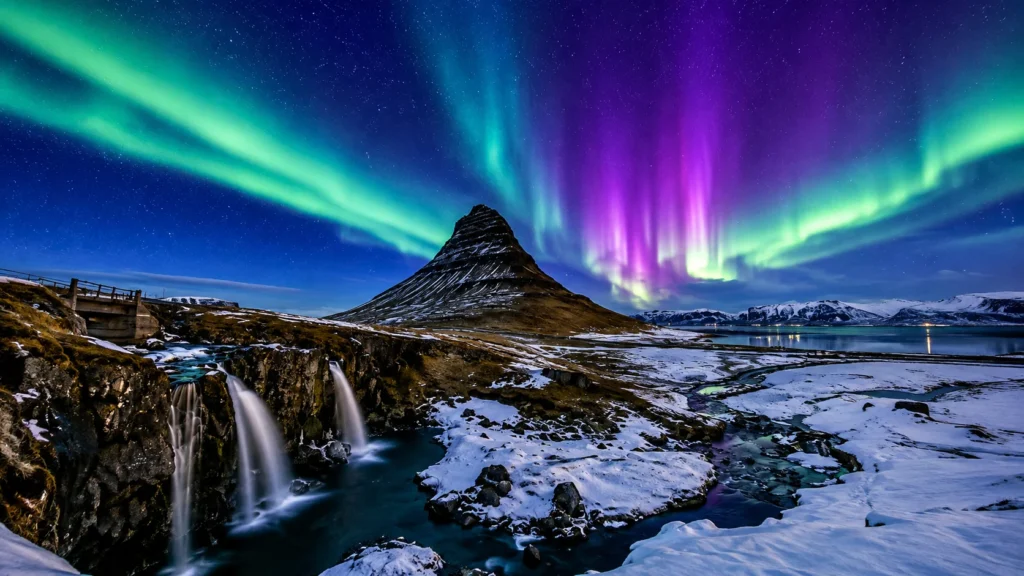
Driving Distance: Approximately 400 km (5–6 hours)
Today’s drive is longer but incredibly rewarding. Head toward the beautiful Snæfellsnes Peninsula, often referred to as “Iceland in Miniature” because it features glaciers, lava fields, waterfalls, volcanic beaches, and dramatic cliffs all within one region.
Visit the famous Kirkjufell Mountain, one of Iceland’s most photographed landmarks, along with Kirkjufellsfoss Waterfall.
Don’t Miss:
- Kirkjufell Mountain
- Kirkjufellsfoss
- Snæfellsjökull National Park
- Coastal cliffs
Day 7: Snæfellsnes Peninsula → Reykjavík
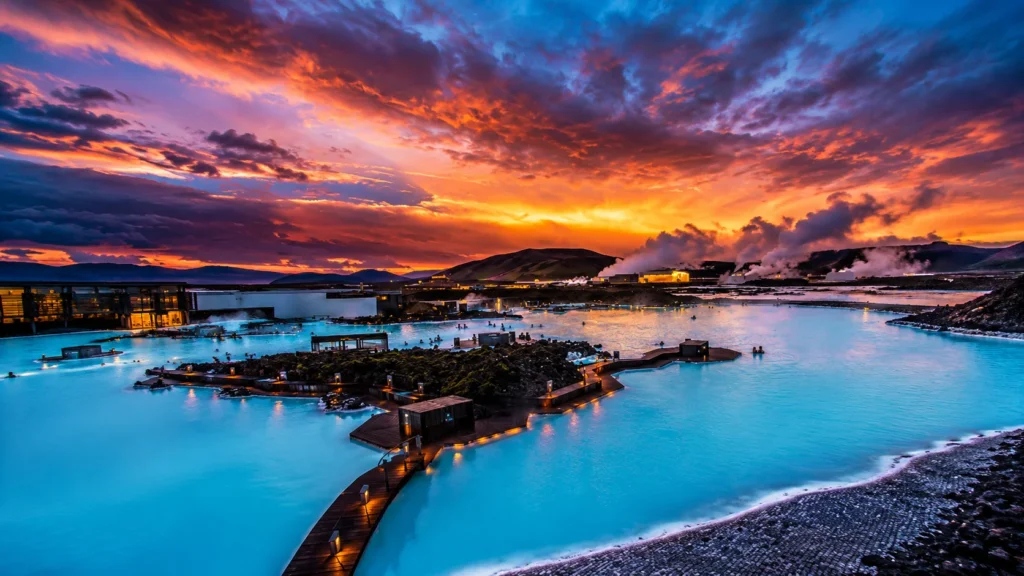
Driving Distance: Approximately 200 km (3 hours)
On the final day of your Iceland Ring Road Trip, enjoy a relaxed drive back to Reykjavík. If your schedule allows, stop at the Blue Lagoon for a relaxing soak in Iceland’s famous geothermal waters before heading to the airport or exploring Reykjavík’s colourful streets.
Spend your final evening visiting landmarks such as Hallgrímskirkja Church, Harpa Concert Hall, and the lively waterfront before concluding your unforgettable Iceland adventure.
Don’t Miss:
- Blue Lagoon
- Hallgrímskirkja Church
- Harpa Concert Hall
- Reykjavík Old Harbour
Conclusion
An Iceland Ring Road Trip is one of the most rewarding road trips in the world, offering an incredible mix of waterfalls, glaciers, volcanoes, black sand beaches, and charming coastal towns. Whether you’re exploring the Golden Circle, watching icebergs drift across Jökulsárlón Glacier Lagoon, or relaxing in a geothermal hot spring, every day brings a new adventure.
With this 7-day self-drive itinerary, you can experience Iceland’s most iconic attractions while enjoying the flexibility to travel at your own pace. Plan your route, check road conditions, book accommodations in advance, and get ready for an unforgettable journey through one of the world’s most spectacular destinations.
Looking for another once-in-a-lifetime adventure? Read our Best Safari in Africa guide for the world’s top wildlife destinations. https://chaltephirte.com/africa-safari/
Frequently Asked Questions
1. Is 7 days enough for an Iceland Ring Road Trip?
Yes, 7 days is enough to complete an Iceland Ring Road Trip and visit the country’s major attractions. However, an 8–10 day itinerary allows for a more relaxed pace and extra sightseeing.
2. What is the best time to drive Iceland’s Ring Road?
The best time for an Iceland Ring Road Trip is June to August, when road conditions are excellent and daylight lasts almost all day. For the Northern Lights, consider travelling in September or October.
3. Do I need a 4×4 vehicle for the Ring Road?
No. A standard rental car is suitable for most of the Ring Road during summer. A 4×4 vehicle is recommended if you’re travelling in winter or planning to explore Iceland’s F-roads and remote highland areas.
4. How much does an Iceland Ring Road Trip cost?
A 7-day Iceland Ring Road Trip typically costs between ₹1.8 lakh and ₹3.5 lakh per person, depending on the season, accommodation, rental car, and travel style.