
Introduction
Have you ever dreamed of watching colorful lights dance across the night sky? The Northern Lights, also known as the Aurora Borealis, are one of the most breathtaking natural wonders in the world. Their glowing waves of green, purple, pink, and sometimes even red create an unforgettable experience that attracts millions of travelers every year.
For many people, seeing the Northern Lights is more than just another holiday activity—it’s a once-in-a-lifetime adventure. Whether you’re a nature lover, a photographer, or simply someone who enjoys exploring unique destinations, witnessing the Aurora Borealis should be on your travel bucket list.
The good news is that you don’t need to be an expert traveler to plan this trip. With the right destination, the right season, and a little patience, your chances of seeing this incredible phenomenon are much higher.
In this guide, you’ll discover the best places to see the Northern Lights, the ideal months to visit, travel costs, packing tips, photography advice, and practical information to help you plan an unforgettable journey.
If you love exploring breathtaking destinations, don’t miss our Manali Travel Guide, where you’ll find the best places to visit, travel tips, and a complete itinerary for one of India’s most beautiful hill stations. https://chaltephirte.com/manali-travel-guide/
What Are the Northern Lights?
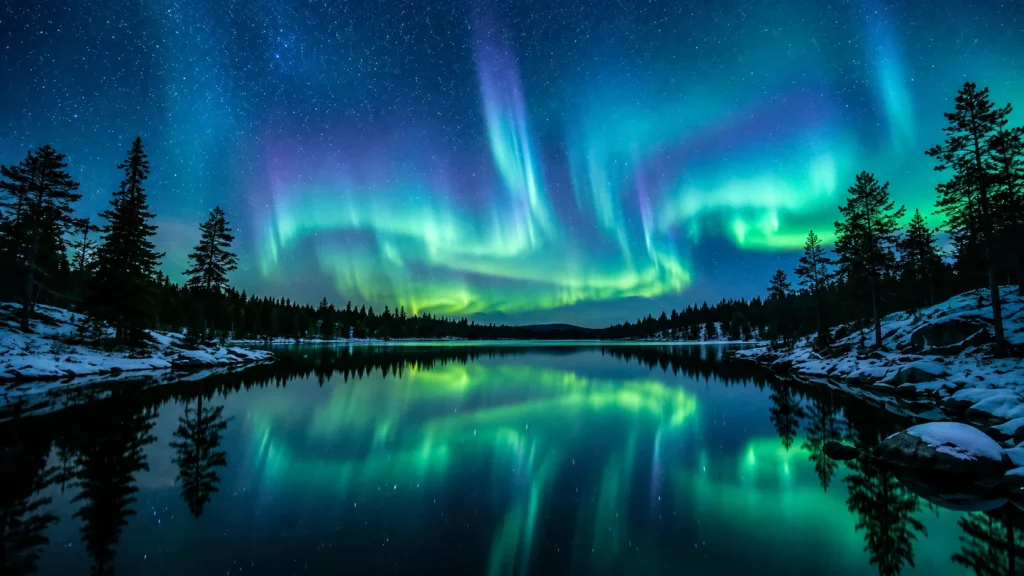
The Northern Lights, scientifically known as the Aurora Borealis, are colorful lights that appear in the Earth’s night sky near the Arctic region.
They are created when charged particles released by the Sun travel through space and collide with gases in Earth’s atmosphere. These collisions produce beautiful waves of light that move across the sky in different shapes and colors.
The color of the Aurora depends on the type of gas involved. Oxygen usually creates green and red lights, while nitrogen produces blue and purple shades.
Although scientists understand how the Northern Lights form, watching them in person still feels magical. Every display is different, making each sighting a unique experience.
Why Are the Northern Lights So Special?
There are many beautiful natural attractions around the world, but very few compare to the magic of the Aurora Borealis.
Unlike fireworks or artificial light shows, the Northern Lights are completely natural. They appear without warning, change their shape every few minutes, and create an atmosphere that is peaceful and unforgettable.
Imagine standing in the middle of a snowy landscape with fresh mountain air around you. The sky is full of stars, and suddenly ribbons of green light begin moving above your head. It’s one of those travel moments that stays with you forever.
Another reason the Northern Lights are so popular is that they encourage travelers to visit some of the most beautiful countries in the world. Whether you’re exploring Norway’s dramatic fjords, Iceland’s volcanic landscapes, or Finland’s snowy forests, the journey itself becomes part of the adventure.
Best Time to See the Northern Lights
One of the most important questions travelers ask is:
“When is the best time to see the Northern Lights?”
The answer depends on three main factors:
- Dark skies
- Clear weather
- Strong solar activity
Generally, the Northern Lights season runs from late September to early April, when nights are long enough in countries close to the Arctic Circle.
Checking the local weather and Aurora forecast before heading out can significantly improve your chances of seeing the lights.
Before heading out each night, check the NOAA Space Weather Prediction Center for the latest Aurora forecast and solar activity. It provides real-time updates that can help you choose the best night to see the Northern Lights. https://www.swpc.noaa.gov/
Best Months to See the Northern Lights
The following months offer the highest chances of seeing the Aurora:
- September
- October
- November
- December
- January
- February
- March
Among these, October to March is considered the best period because the nights are darker and longer.
Best Time of Night
Although the Aurora can appear anytime after sunset, the highest chances are usually between 10:00 PM and 2:00 AM.
Many experienced travelers spend several hours outdoors because the lights can appear suddenly and disappear just as quickly.
Weather Conditions Matter
Even during the best season, cloudy skies can block your view.
To improve your chances:
Check the weather forecast before heading out.
Follow local Aurora forecasts.
Travel away from city lights.
Choose locations with clear northern horizons.
Stay for at least three to five nights instead of only one night.
Patience is often rewarded. Many visitors don’t see the lights on their first evening but enjoy spectacular displays on the following nights.
Best Places to See the Northern Lights
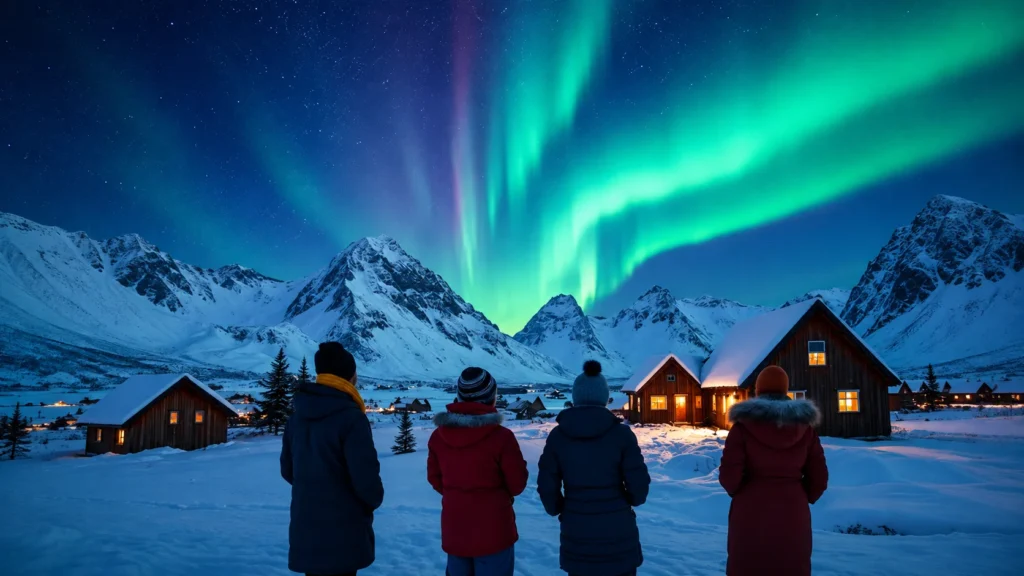
One of the biggest advantages of planning an Aurora trip today is the number of incredible destinations you can choose from. While the Northern Lights are visible in several countries near the Arctic Circle, each destination offers a unique experience.
Some places are famous for dramatic mountains and fjords, while others offer frozen lakes, cozy cabins, glass igloos, or exciting winter adventures.
Below are the best countries to see the Northern Lights, along with what makes each destination special.
Norway – One of the World’s Best Places to See the Northern Lights
Norway is often considered the best destination for anyone hoping to witness the Aurora Borealis. Its location within the Arctic Circle, combined with clear winter skies and stunning landscapes, makes it one of the most reliable places to experience this natural wonder.
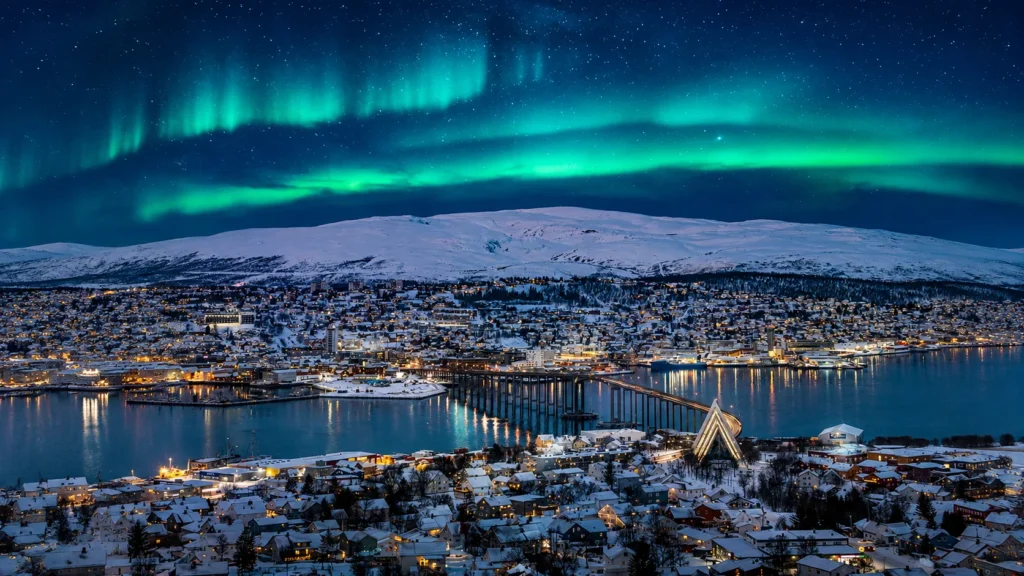
The city of Tromsø, often called the “Gateway to the Arctic,” is among the most popular Northern Lights destinations in the world. Many guided tours leave from Tromsø every evening, taking visitors to locations with the clearest skies.
Another excellent destination is the Lofoten Islands, where dramatic mountains rise directly from the sea. Watching the green Aurora dance above the fishing villages of Lofoten creates a magical scene that photographers dream about.
If you’re looking for a quieter experience, head to Alta, another northern Norwegian town known for its excellent Aurora visibility and peaceful surroundings.
Best Time to Visit Norway
The best months to visit Norway for the Northern Lights are from October to March. During these months, long nights provide ideal viewing conditions.
Things to Do Besides Watching the Aurora
Your trip to Norway doesn’t have to end with the Northern Lights. You can also:
- Ride a dog sled through snowy forests.
- Experience a traditional Sami culture tour.
- Go whale watching.
- Explore beautiful Norwegian fjords.
- Stay in cozy cabins surrounded by snow-covered mountains.
Because of its excellent infrastructure, comfortable accommodation, and frequent Aurora sightings, Norway is an excellent choice for first-time visitors.
Other Amazing Places to See the Northern Lights
Besides Norway, there are several other incredible destinations where you can witness the Aurora Borealis.
Iceland
Iceland combines volcanoes, waterfalls, glaciers, and black sand beaches with spectacular Northern Lights displays. The best viewing season is from September to March, especially away from Reykjavik’s city lights.
Finland
Finnish Lapland is famous for its glass igloos, snowy forests, and peaceful atmosphere. Staying in a glass igloo while watching the Northern Lights is one of the most unique travel experiences in the world.
Sweden
Abisko National Park in northern Sweden is known for its clear skies and excellent Aurora visibility. Many travelers visit specifically because the weather conditions increase the chances of seeing the lights.
Canada
The Canadian regions of Yukon and the Northwest Territories offer fantastic Northern Lights experiences. Yellowknife is one of the most popular destinations thanks to its long viewing season and clear skies.
Alaska (USA)
Fairbanks is considered one of the best places in the United States to see the Northern Lights. Visitors can also enjoy hot springs, snowmobiling, and winter adventures during their trip.
Travel Tips for First-Time Northern Lights Travelers
If you’re planning your first Aurora trip, these simple tips can improve your chances of seeing this natural wonder:
- Stay for at least 3 to 5 nights instead of just one night.
- Check daily Aurora forecasts before heading out.
- Travel away from bright city lights.
- Dress in warm layers because temperatures can drop well below freezing.
- Carry a tripod if you plan to photograph the Northern Lights.
- Be patient, as the lights can appear at any time during the night.
Final Thoughts
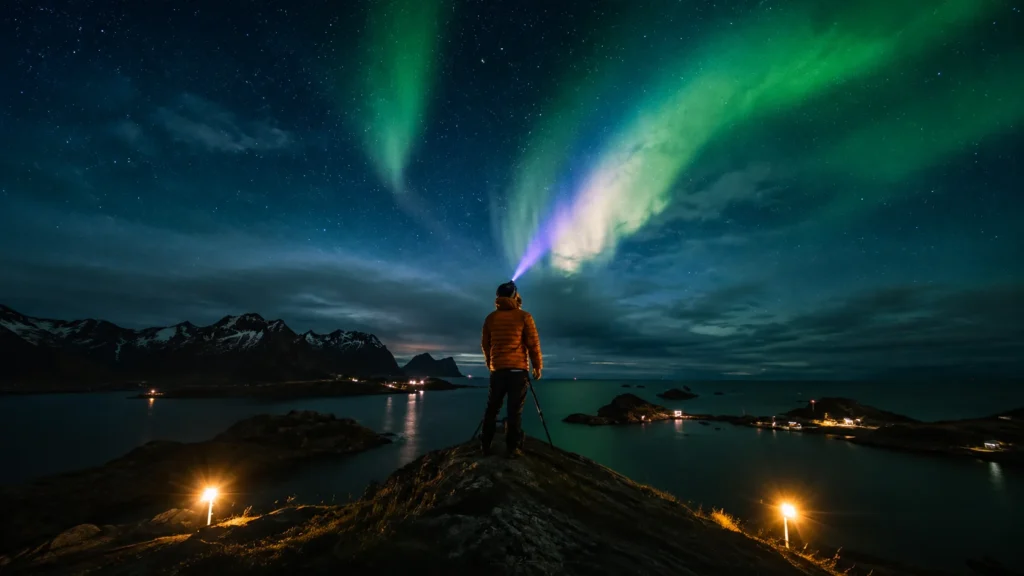
Watching the Northern Lights is one of the most unforgettable travel experiences you can have. Whether you choose Norway, Iceland, Finland, Canada, or Alaska, every destination offers its own unique charm and breathtaking scenery.
The key to a successful trip is choosing the right season, checking the weather and Aurora forecast, and allowing yourself enough time to enjoy the experience. While there are no guarantees with a natural phenomenon, careful planning can greatly improve your chances of seeing the magical Aurora Borealis.
If the Northern Lights have always been on your bucket list, now is the perfect time to start planning your adventure. With the right destination and preparation, you’ll create memories that will last a lifetime.
Frequently Asked Questions – Best Places to See the Northern Lights
Q1. Which country is best for seeing the Northern Lights?
Norway is widely considered one of the best countries because of its high Aurora activity, beautiful landscapes, and excellent tourist facilities.
Q2. What is the best month to see the Northern Lights?
The best months are from October to March when the nights are longest and darkest.
Q3. Can I see the Northern Lights without a tour?
Yes. If you have a rental car and stay away from city lights, you can watch the Northern Lights on your own.