
Introduction
Valley of Flowers Trek Guide is everything you need to plan one of the most beautiful trekking experiences in India. Located in the Chamoli district of Uttarakhand, the Valley of Flowers National Park is a UNESCO World Heritage Site famous for its colourful alpine meadows, snow-capped Himalayan peaks, waterfalls, and over 500 species of wildflowers.
Every year, thousands of trekkers and nature lovers visit this breathtaking destination during the monsoon season to witness the valley covered with vibrant flowers in full bloom. Apart from its natural beauty, the trek also offers peaceful landscapes, fresh mountain air, and an unforgettable adventure through the Himalayas.
The trek starts from Govindghat and passes through Ghangaria, the base village for both the Valley of Flowers and Hemkund Sahib. Although the trail is considered moderately easy, proper planning is important to enjoy a safe and comfortable journey. Knowing the best time to visit, trekking route, budget, permits, accommodation options, and packing essentials can make your trip much more enjoyable.
This Valley of Flowers Trek Guide covers everything you need to know before you begin your journey, including the complete trekking route, itinerary, estimated budget, entry fees, packing list, and useful travel tips. Whether you’re planning your first Himalayan trek or returning for another adventure, this guide will help you make the most of your trip.
Why Choose This Valley of Flowers Trek Guide?
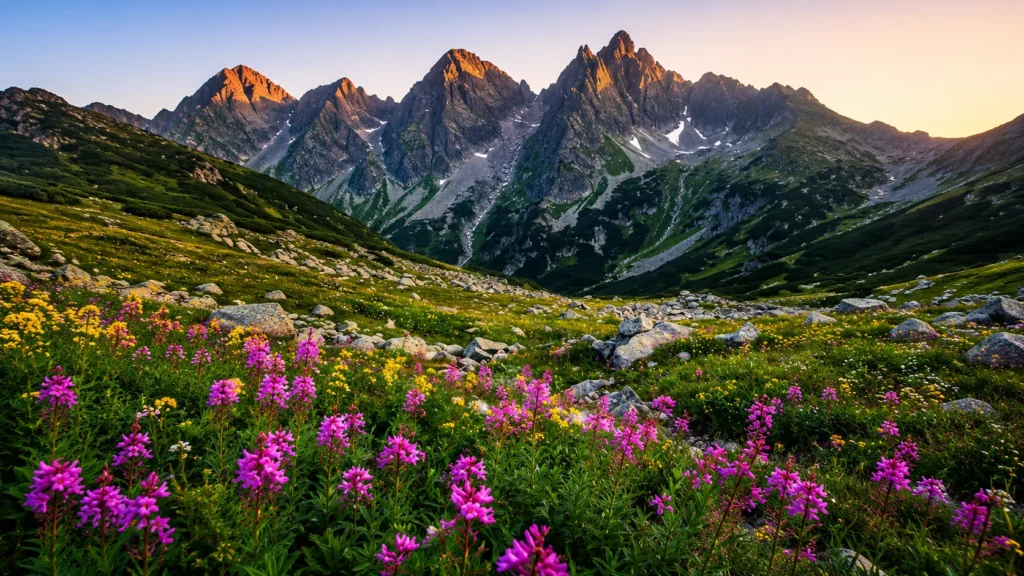
The Valley of Flowers Trek Guide is designed to help you plan a safe, enjoyable, and unforgettable journey to one of India’s most beautiful trekking destinations. Nestled in the Garhwal Himalayas of Uttarakhand, the Valley of Flowers National Park is a UNESCO World Heritage Site that attracts nature lovers, photographers, trekkers, and adventure seekers from around the world.
What makes this trek truly special is the breathtaking landscape. During the blooming season, the valley transforms into a colourful carpet of wildflowers with more than 500 species blooming against a backdrop of snow-covered Himalayan peaks. Crystal-clear streams, wooden bridges, waterfalls, and lush green meadows make every step of the journey memorable.
Another reason to follow this Valley of Flowers Trek Guide is the opportunity to combine nature with spirituality. Many travelers extend their trip to visit Hemkund Sahib, one of the highest Sikh pilgrimage sites in the world, located just a short trek from Ghangaria. This combination of natural beauty and spiritual significance makes the experience unique.
Unlike many difficult Himalayan treks, the Valley of Flowers trek is suitable for beginners with a reasonable level of fitness. With proper planning, comfortable accommodation, and the right packing list, most travelers can complete the trek without any major difficulties.
This Valley of Flowers Trek Guide also provides practical information on the best trekking route, permits, budget, accommodation, and essential travel tips so you can avoid common mistakes and make the most of your adventure.
Whether you’re planning a solo trip, travelling with friends, or exploring with family, the Valley of Flowers promises an unforgettable experience filled with scenic landscapes, fresh mountain air, and countless opportunities to connect with nature.
Best Time to Visit – Valley of Flowers Trek Guide
Choosing the right season is one of the most important parts of planning your trip, and this Valley of Flowers Trek Guide will help you decide the best time based on your travel preferences.
The Valley of Flowers National Park is open only for a few months each year, usually from June to October. During the rest of the year, heavy snowfall covers the region, making the trek inaccessible.
Before planning your trek, check the latest weather forecast on the India Meteorological Department (IMD) website.https://mausam.imd.gov.in/
June – Fresh Green Landscapes
June marks the beginning of the trekking season. Snow starts melting, the weather becomes pleasant, and the trekking trails reopen. Although only a few flowers bloom during this time, you’ll enjoy fewer crowds and refreshing mountain views.
Temperature: 10°C to 18°C
Best for:
- Peaceful trekking
- Snow-covered mountain views
- Comfortable weather
July – Valley Begins to Bloom
July is when the valley starts transforming into a colourful paradise. Wildflowers begin blooming across the meadows, while waterfalls become more beautiful due to the monsoon. Light rainfall is common, so carrying waterproof gear is essential.
Temperature: 12°C to 20°C
Best for:
- Nature lovers
- Photography
- Green landscapes
August – Peak Flower Season
According to this Valley of Flowers Trek Guide, August is the best month to visit. During this time, thousands of colourful flowers are in full bloom, creating breathtaking views throughout the valley. The scenery is at its absolute best, making it the most popular month among visitors.
Temperature: 12°C to 18°C
Best for:
- Wildflower photography
- Scenic trekking
- First-time visitors
September – Clear Skies and Fewer Crowds
September offers pleasant weather, fewer tourists, and excellent visibility of the Himalayan peaks. Although many flowers begin fading by the end of the month, the valley remains incredibly beautiful with lush greenery and peaceful surroundings.
Temperature: 8°C to 16°C
Best for:
- Quiet trekking
- Landscape photography
- Budget travelers
October – Trek Season Ends
The trekking season usually ends in early October as temperatures begin to drop and snowfall approaches. Most flowers have disappeared, but the valley offers beautiful autumn colours before closing for winter.
Temperature: 5°C to 12°C
Best for:
- Adventure travelers
- Peaceful mountain experience
Which Month Is Best?
This Valley of Flowers Trek Guide recommends late July to mid-August as the ideal time to visit. During this period, the valley is covered with vibrant wildflowers, waterfalls are flowing at their fullest, and the landscapes look truly magical.
If you prefer fewer crowds and pleasant weather, September is another excellent choice for your trek.
How to Reach – Valley of Flowers Trek Guide
Reaching the Valley of Flowers requires a combination of flights, trains, road travel, and trekking. This Valley of Flowers Trek Guide explains each step so you can plan your journey without confusion.
The trek officially begins from Govindghat, a small town in Uttarakhand. From there, you’ll travel to Ghangaria, the base camp for both the Valley of Flowers and Hemkund Sahib.
By Air – Valley of Flowers Trek Guide
The nearest airport is Jolly Grant Airport, Dehradun, located around 295 km from Govindghat.
From the airport, you can hire a taxi or board a bus to reach Govindghat. The road journey usually takes 9 to 10 hours, depending on traffic and weather conditions.
Nearest Airport:
- Jolly Grant Airport, Dehradun
By Train – Valley of Flowers Trek Guide
If you’re travelling by train, the nearest railway stations are:
- Rishikesh Railway Station (Approx. 273 km)
- Haridwar Railway Station (Approx. 295 km)
Both stations are well connected to major Indian cities such as Delhi, Mumbai, Kolkata, and Lucknow.
From Haridwar or Rishikesh, you can continue your journey by taxi or state transport bus to Govindghat.
By Road – Valley of Flowers Trek Guide
Govindghat has good road connectivity with several cities in Uttarakhand.
You can easily reach Govindghat from:
- Haridwar
- Rishikesh
- Dehradun
- Joshimath
Both government and private buses operate regularly during the trekking season. Shared taxis are also available from Joshimath.
Trek Route – Valley of Flowers Trek Guide
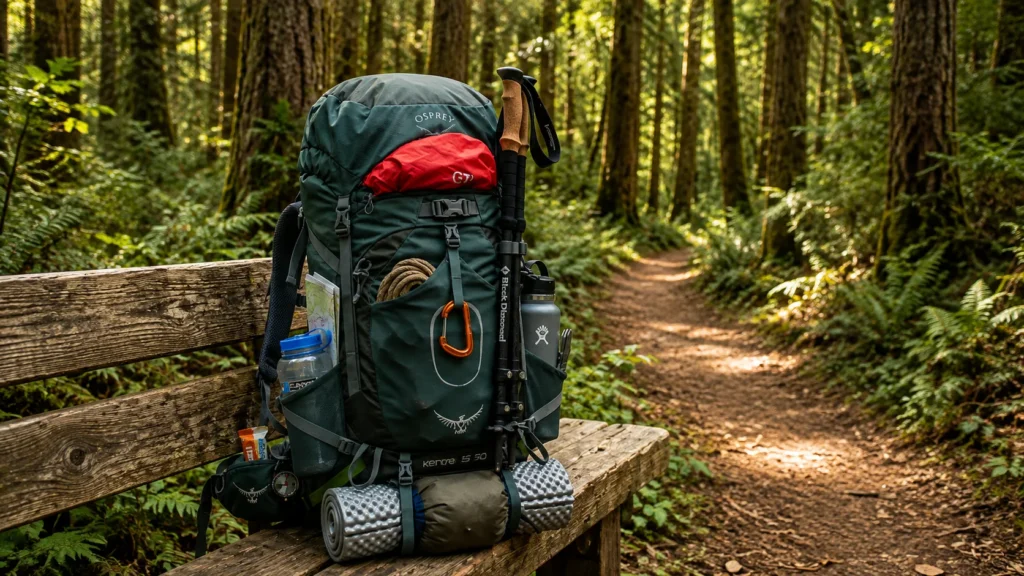
The trekking journey starts from Govindghat.
Route Overview
Govindghat → Pulna → Ghangaria → Valley of Flowers National Park
- Govindghat to Pulna – Approximately 4 km (shared taxi available)
- Pulna to Ghangaria – 9 km trek
- Ghangaria to Valley of Flowers – 3.5 to 4 km one way
Most trekkers stay overnight in Ghangaria before visiting the Valley of Flowers the next morning.
Total Trek Distance
According to this Valley of Flowers Trek Guide, the complete trekking distance is approximately:
- Govindghat to Ghangaria: 13 km (including the road section to Pulna)
- Ghangaria to Valley of Flowers: 4 km (one way)
- Total trekking distance: Around 17 km one way, depending on whether you take a vehicle from Govindghat to Pulna.
The trail is well-marked and suitable for beginners with a moderate level of fitness.
Travel Tips – Valley of Flowers Trek Guide

Before starting your journey, keep these important tips in mind:
- Start your road journey early to avoid traffic and landslide-prone areas.
- Book accommodation in Ghangaria during the peak season, especially in July and August.
- Carry sufficient cash, as ATM facilities are limited.
- Download offline maps because mobile network coverage is weak in remote areas.
- Check the latest weather forecast before beginning the trek.
Following this Valley of Flowers Trek Guide will help you enjoy a smooth and well-planned journey from your hometown to one of the most beautiful trekking destinations in India.
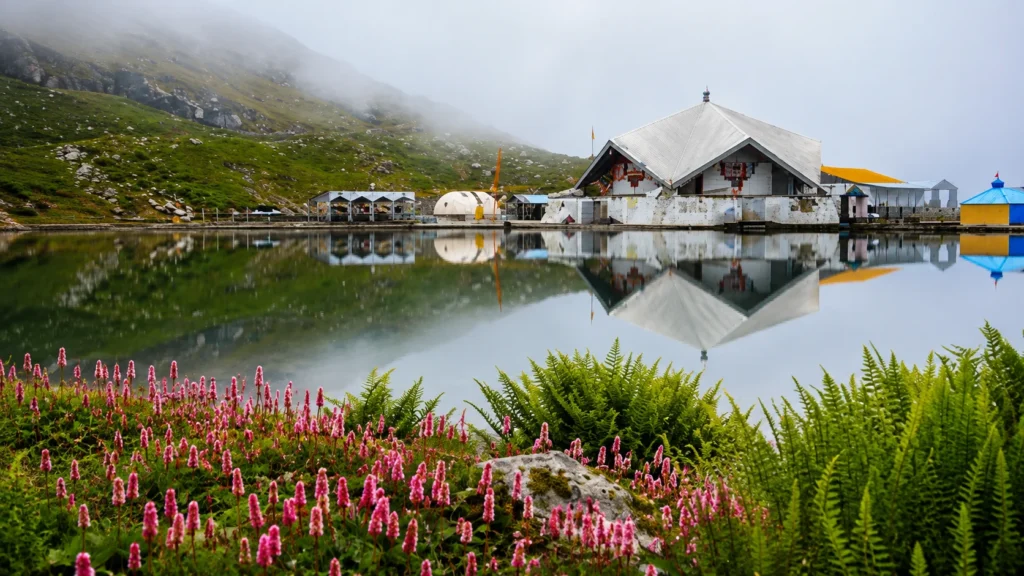
Final Thoughts – Valley of Flowers Trek Guide
The Valley of Flowers Trek Guide is your complete resource for planning one of India’s most scenic Himalayan adventures. From choosing the best time to visit and understanding the trekking route to estimating your budget and packing wisely, proper planning will help you enjoy a safe and memorable experience.
Whether you’re a first-time trekker, a nature enthusiast, or a photography lover, the Valley of Flowers offers breathtaking landscapes, colourful alpine meadows, waterfalls, and unforgettable mountain views. Take your time, respect the environment, and follow responsible trekking practices to preserve this UNESCO World Heritage Site for future generations.
If you enjoy exploring the Himalayas, don’t miss our Ladakh Road Trip Guide: Route, Budget & Permits for another unforgettable mountain adventure.
Happy trekking, and may your journey through the Valley of Flowers be filled with beautiful memories and incredible views!
If you enjoy breathtaking natural landscapes, you may also like our Best Places to See the Northern Lights: Countries, Best Time & Tips. https://chaltephirte.com/best-places-to-see-the-northern-lights/
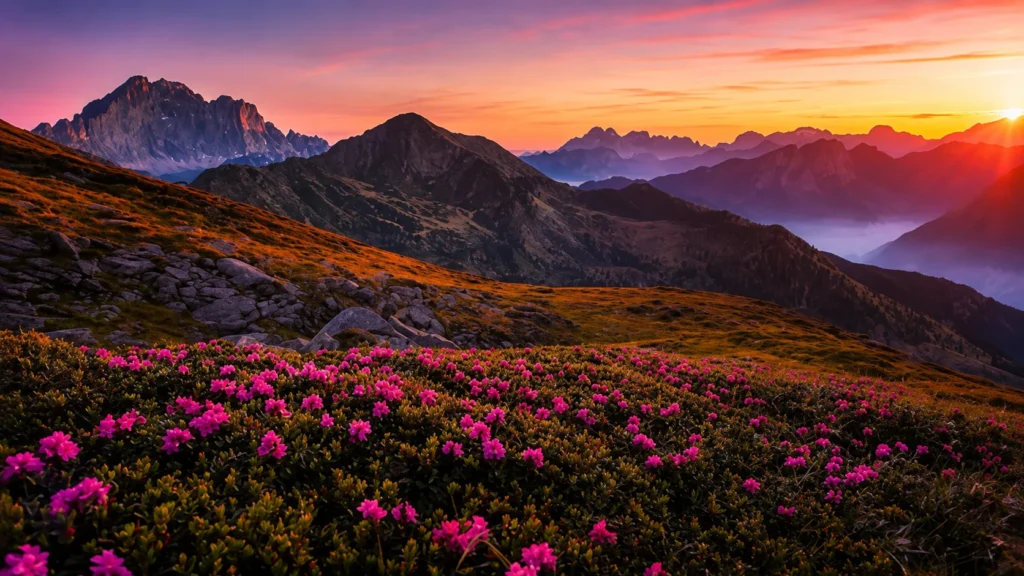
Frequently Asked Questions – Valley of Flowers Trek Guide
1. What is the best time to visit according to this Valley of Flowers Trek Guide?
The best time to visit the Valley of Flowers is from late July to mid-August, when thousands of colourful wildflowers are in full bloom. September is also a great option if you prefer fewer crowds and pleasant weather.
2. Is the Valley of Flowers trek difficult for beginners?
No. According to this Valley of Flowers Trek Guide, the trek is considered easy to moderate and is suitable for beginners with a reasonable level of fitness. Regular walking or light exercise before the trip will make the trek more enjoyable.
3. Do I need a permit for the Valley of Flowers trek?
Yes. All visitors must purchase an entry ticket to enter Valley of Flowers National Park. Tickets can be bought at the park’s entry gate near Ghangaria or booked online before your trip.
4. What should I pack for the Valley of Flowers trek?
This Valley of Flowers Trek Guide recommends carrying comfortable trekking shoes, warm clothing, a raincoat, a backpack, reusable water bottles, energy snacks, sunscreen, a first-aid kit, and important identity documents. Packing light while carrying essential trekking gear will make your journey more comfortable.